

 1 / 1
2TPH, Cocopeat Dryer Project
- LocationIndia
- Capacity2 TPH
- MaterialCocopeat
- Inlet & Outlet Moisture75–12%
Project Background
Coconut Peat is a widely used growing substrate for horticulture, seedling raising and export-grade coir brick manufacturing. After washing, raw coir pith reaches a moisture level of 75%. Traditional sun drying is heavily reliant on weather conditions, which frequently causes mold, spoilage and inconsistent moisture, failing to satisfy export specifications. The client needed a 2 t/h production line to mechanically dewater coir pith from 75% moisture down to 65%, followed by thermal drying to hit a target final moisture of 12% for stable mass production.
Solution
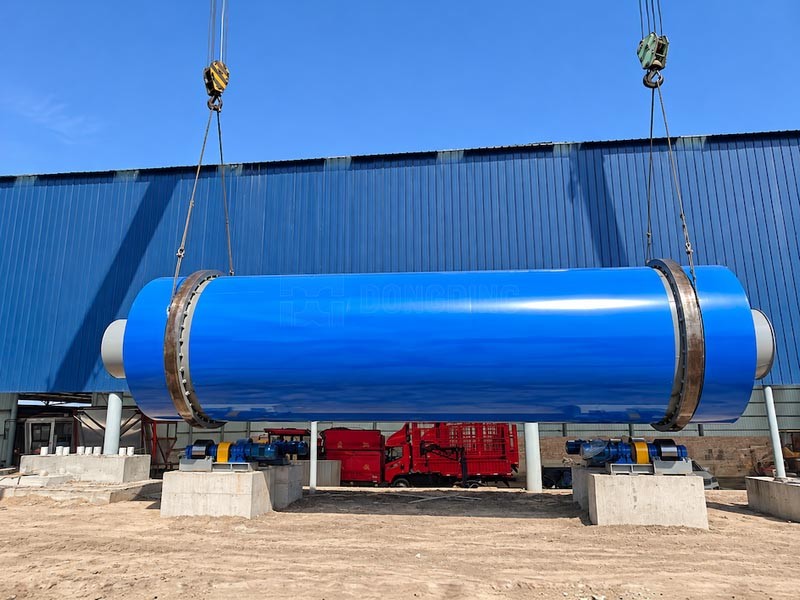
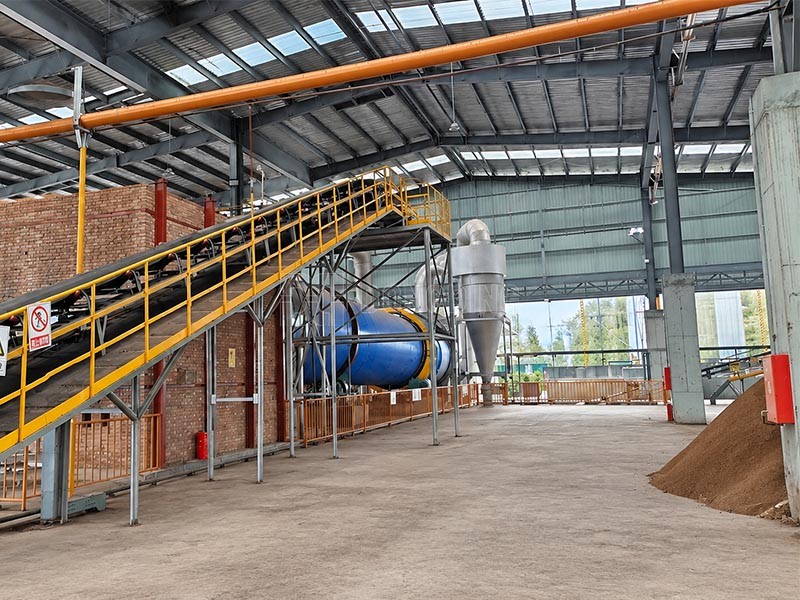
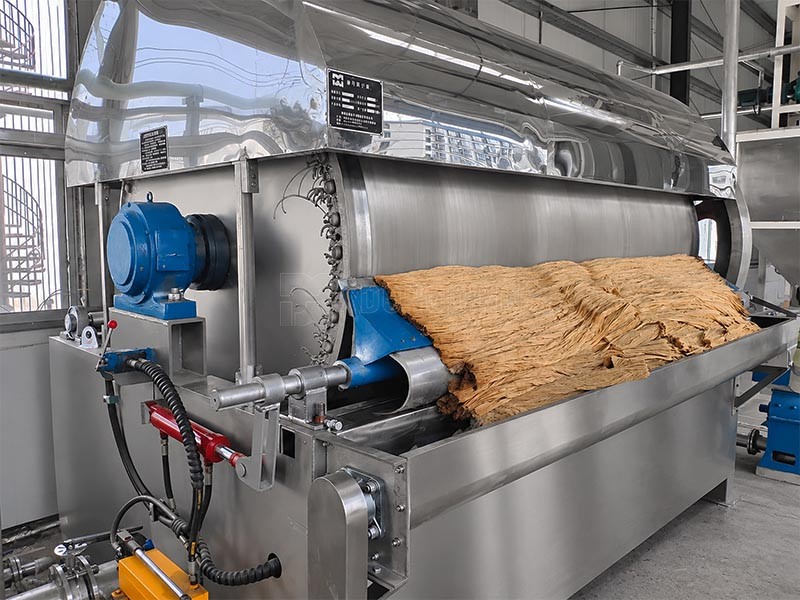
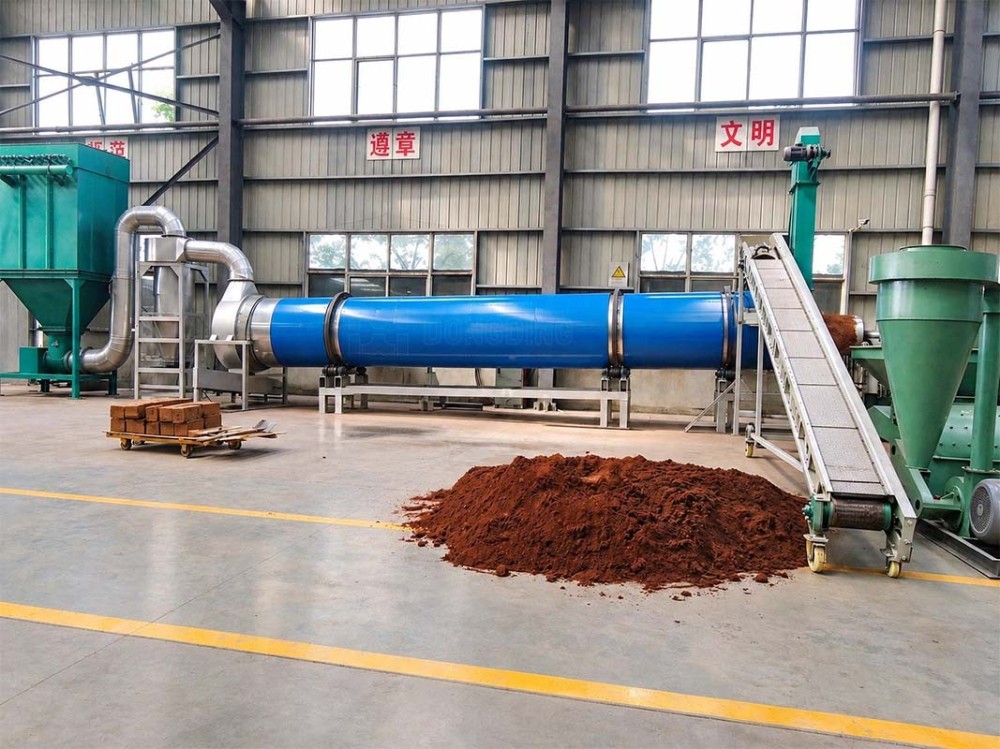
We delivered a custom two-stage coir pith drying line. First, screw press dewtering machine removes free water to reduce material moisture from 75% to 65%, cutting the heat load for downstream drying. The pre-dewatered coir pith is then conveyed into a dedicated rotary dryer for uniform hot-air drying. Built-in online moisture monitoring enables precise regulation to lock the final moisture steadily at 12%. A matched dust collector guarantees compliant exhaust, and the whole line runs automatically and continuously.
Project Benefits
Stable Product Quality: Finished coir pith holds a consistent 12% moisture content, resisting mold growth during storage and sea freight and fully complying with international export standards.
Reduced Energy Use: Mechanical pre-dewatering greatly curtails fuel expenses compared with direct hot-air drying of the 75% wet raw material.
Steady Output & Labor Savings: Free from weather constraints, the line maintains a continuous 2 t/h capacity and lowers labor input.
Higher Added Value: Dried coir pith can be pressed into coir bricks, slashing logistics costs and boosting profit margins.
Eco-compliant Operation: The fully enclosed production system paired with dust suppression equipment limits dust leakage and meets environmental protection requirements.