

Brewers' spent grain contains significant amounts of crude protein, crude fat, crude fiber, and trace elements, making it suitable for processing into high-quality animal feed.
However Spent grain generated during the brewing process typically has a moisture content of around 80%; this high moisture level and relatively low protein concentration fall short of the standards required for feed production. Furthermore, the high moisture content complicates storage and increases transportation costs; direct disposal not only wastes resources but also causes serious environmental pollution.
From Brewing By-product to Animal Feed
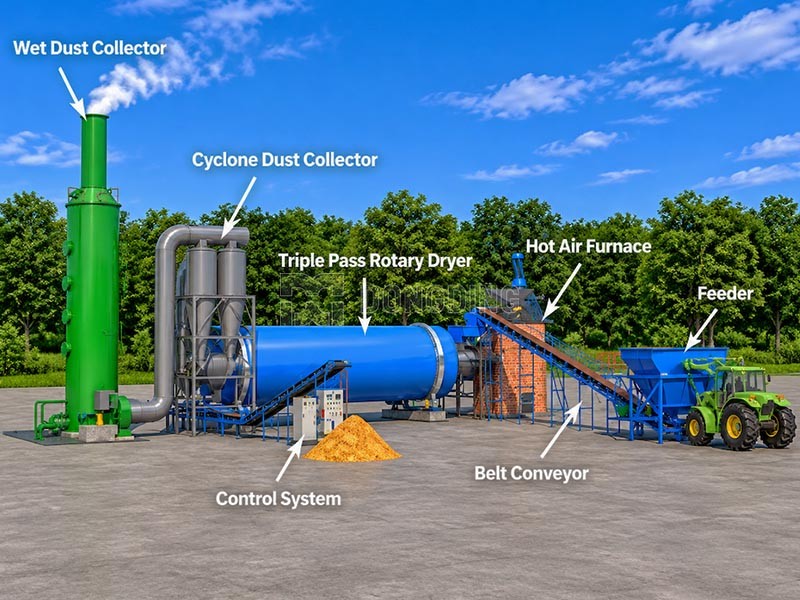
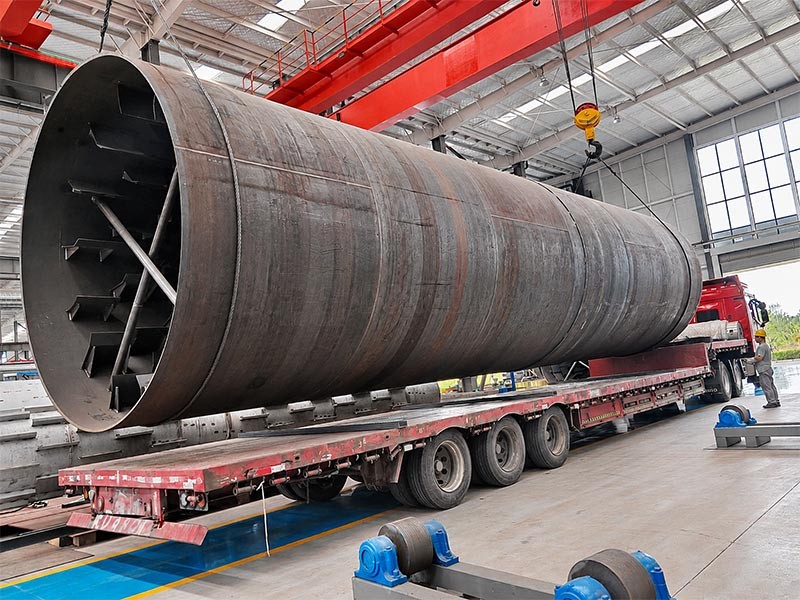
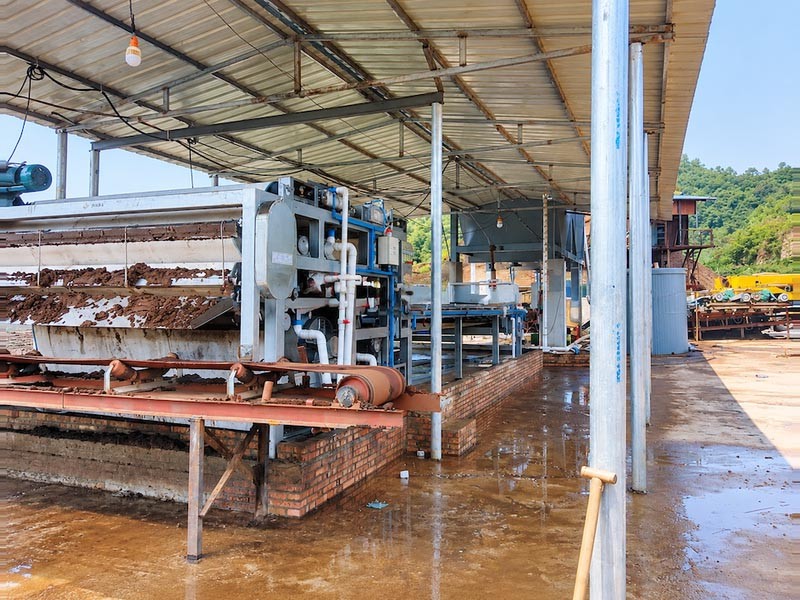
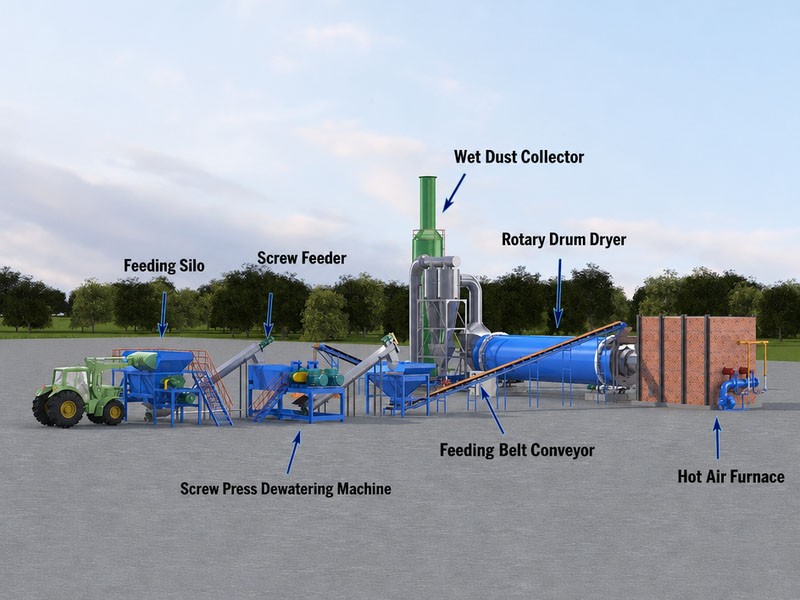
Our BSG drying production line is specifically designed to handle the characteristics of high-moisture BSG. Through efficient dewatering and drying, it transforms wet BSG into a dry powder that is easy to store, transport, and process further.
Wet spent grains → Dewatering → Drying → Dried spent grains → Grinding/Storage → Ingredient mixing → Granulation
Based on actual production test data, the composition of the dried BSG powder typically reaches the following levels:
Crude Protein: 27.5%
Crude Fat: 8.9%
Crude Fiber: 4.5%
Moisture: 9.5%
Ash: 2.5%
In actual feed production, the dried BSG can be scientifically blended with other feed ingredients and additives—tailored to specific animal types, feed formulas, and nutritional requirements—and subsequently pelletized to create animal feed products that are convenient to store, transport, and use.
High-quality animal feed made from dried BSG highly meet the ongoing demand for cost-effective protein feed of the livestock industry. The spent grain drying production line not only resolves the challenges that beer manufacturers face regarding the storage and transportation of wet spent grain but also generates significant economic value by processing the wet spent grain into high-quality animal feed.
Covering everything from wet spent grain handling to drying, storage, transport, and feed processing, the complete production line enables breweries to establish a more comprehensive solution for the resource recovery and utilization of spent grain.