


A:
All Dongding dryers come with a 12-month warranty covering parts and workmanship from the date of commissioning. Lifetime technical support and spare parts supply are provided.
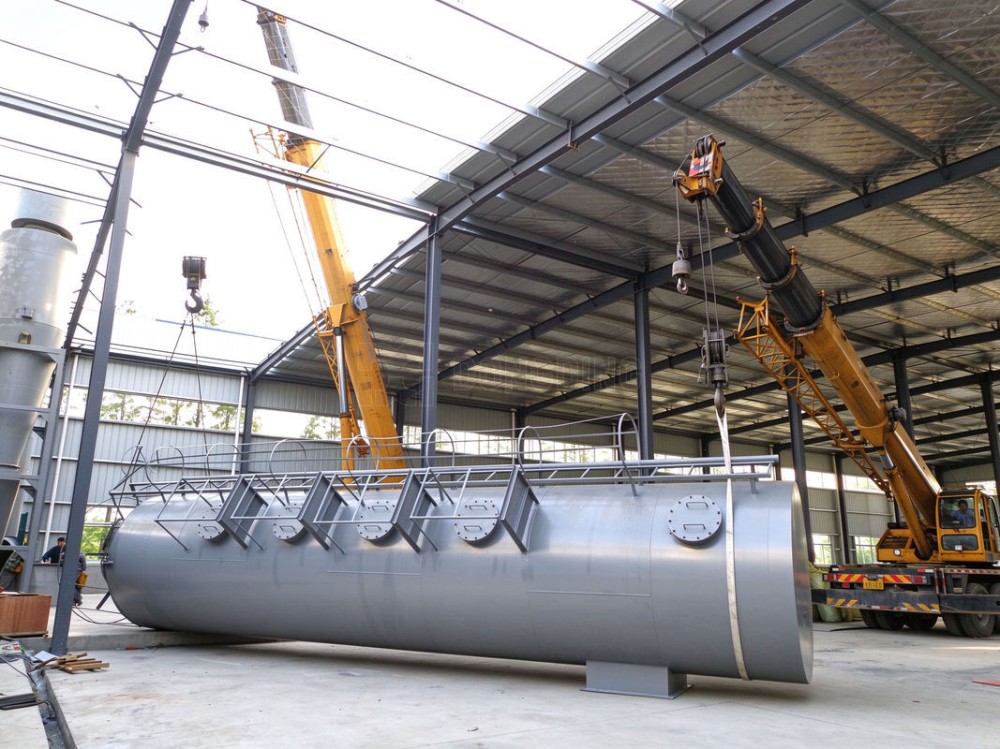
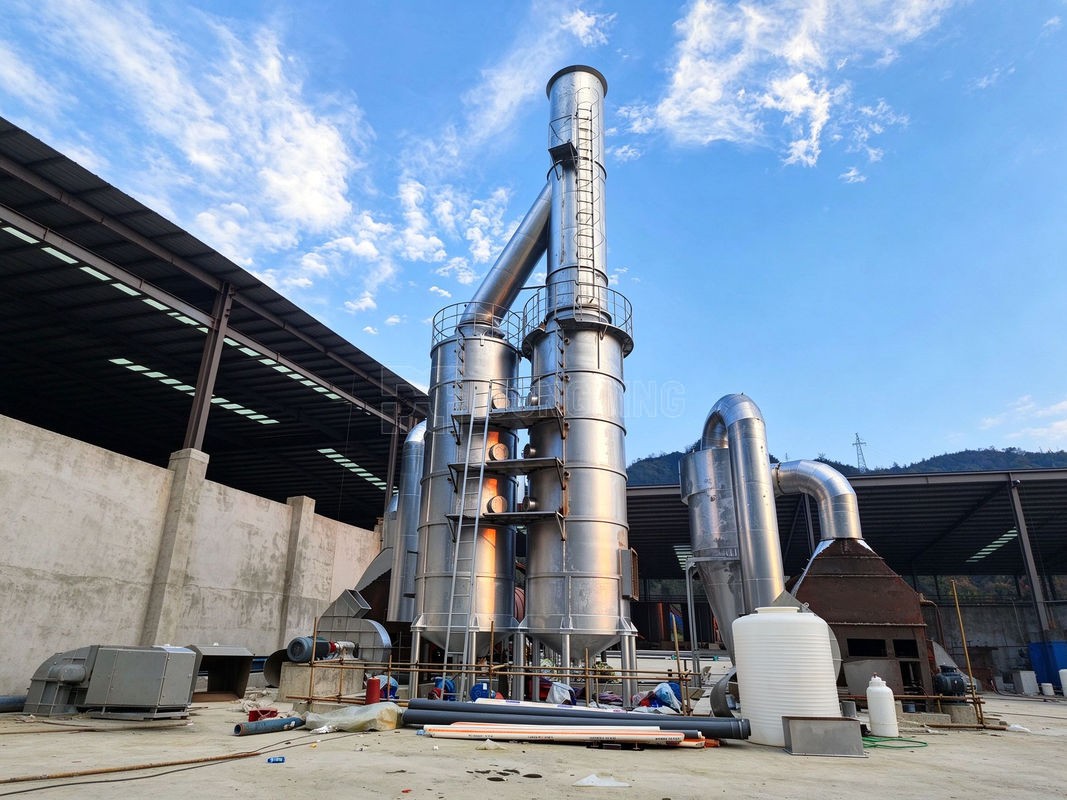
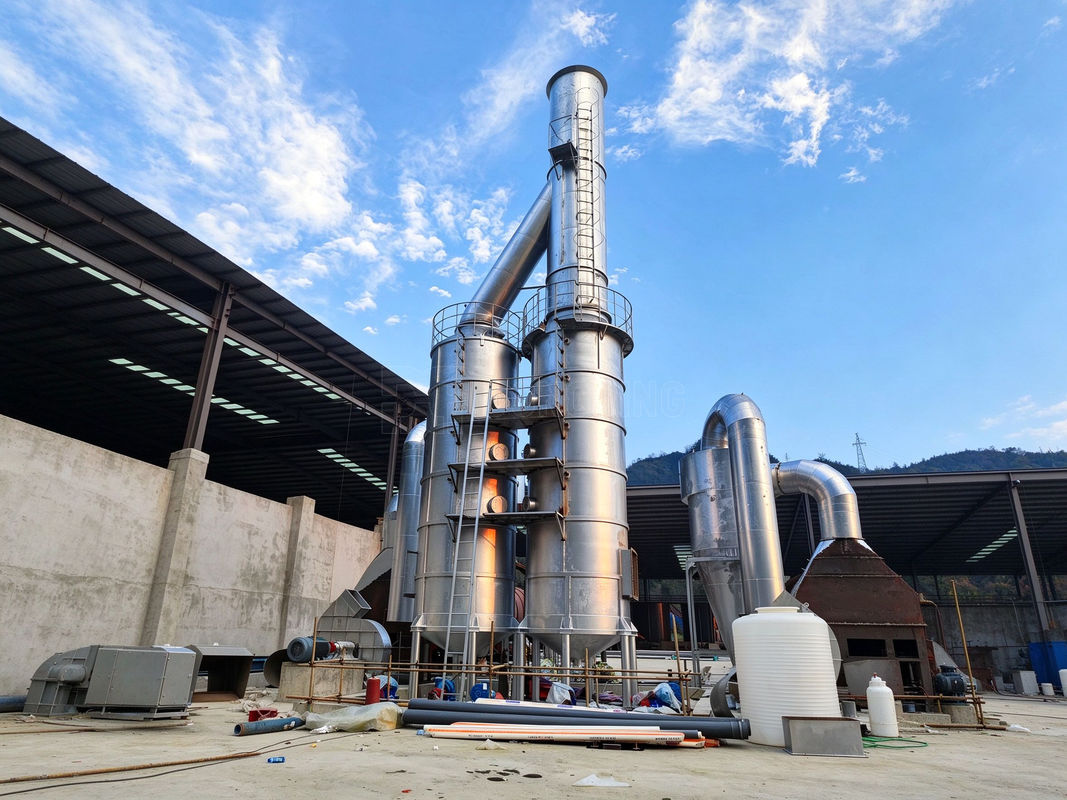
The flue gas desulfurization tower (FGD Tower) is an air pollution control system used to remove sulfur dioxide (SO2) and other acidic pollutants from industrial flue gas. It is widely applied in power plants, boilers, cement plants, chemical plants, metallurgy, and other industries.
In the tower, a kind of scrubbing liquid, typically composed primarily of limestone or lime, is brought into contact with the flue gas. The SO2 is absorbed and reacts with the alkaline absorbent to form stable compounds, thereby reducing sulfur emissions before the treated gas is discharged. Wet flue gas desulfurization system is widely adopted due to the high removal efficiency and reliable operation.
Wet FGD technology can provide high sulfur dioxide removal efficiency when properly designed and operated.
Limestone, lime, and other alkaline reagents can be selected according to the flue gas composition and project requirements.
Wet limestone-gypsum FGD systems are widely used for large-volume flue gas treatment.
The system captures SO₂ from flue gas and converts it into solid reaction products for further treatment or utilization.
Features low power consumption and minimal operating resistance.
The tower structure, spray stages, circulation system, absorbent system, and other components can be configured according to flue gas volume, SO₂ concentration, temperature, and required emission limits.
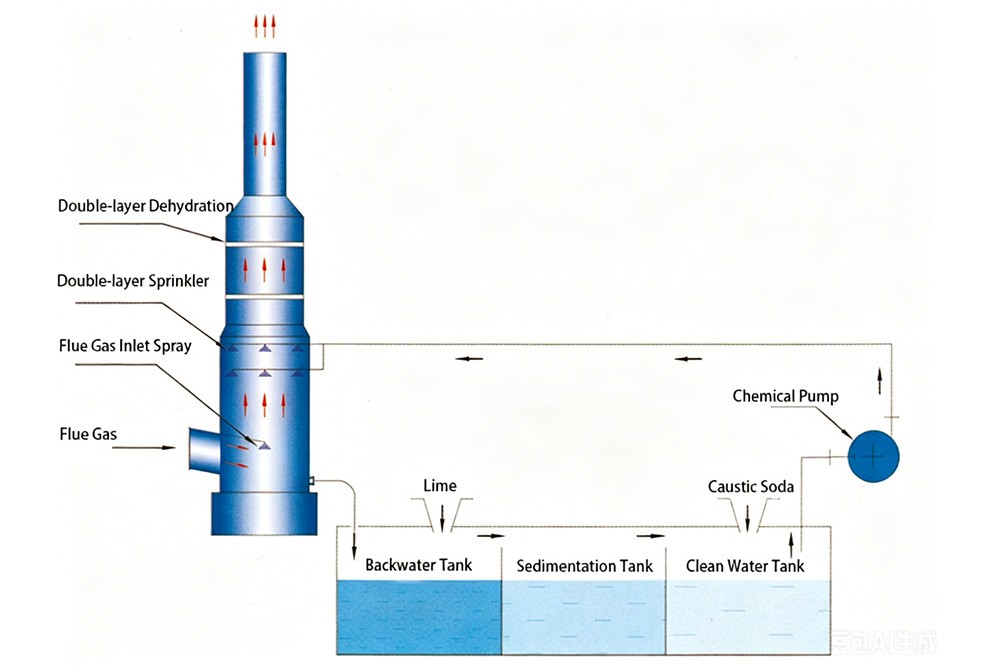
A typical Flue Gas Desulfurization Tower system mainly consists of:
Flue Gas Inlet System – Guides the hot flue gas into the absorption tower.
Absorbent Preparation System – Prepares limestone or lime slurry according to the operating requirements.
Absorption Tower – Sprays the alkaline slurry into the flue gas. The SO₂ reacts with the absorbent during gas-liquid contact.
Circulation System – Recirculates the slurry through pumps and spray nozzles to improve gas-liquid contact.
Mist Eliminator – Removes fine liquid droplets carried by the treated gas before it leaves the tower.
Oxidation and Reaction System – In wet limestone-gypsum systems, oxidation can convert sulphite into gypsum for easier handling and dewatering.
By-product Treatment System – Collects and dewaters the resulting solid by-products, such as gypsum, when applicable.
Notice:
1. Any change of technical data shall not be advised additionally.
2. Parameters above are for reference; final configuration is tailored to your material and capacity.
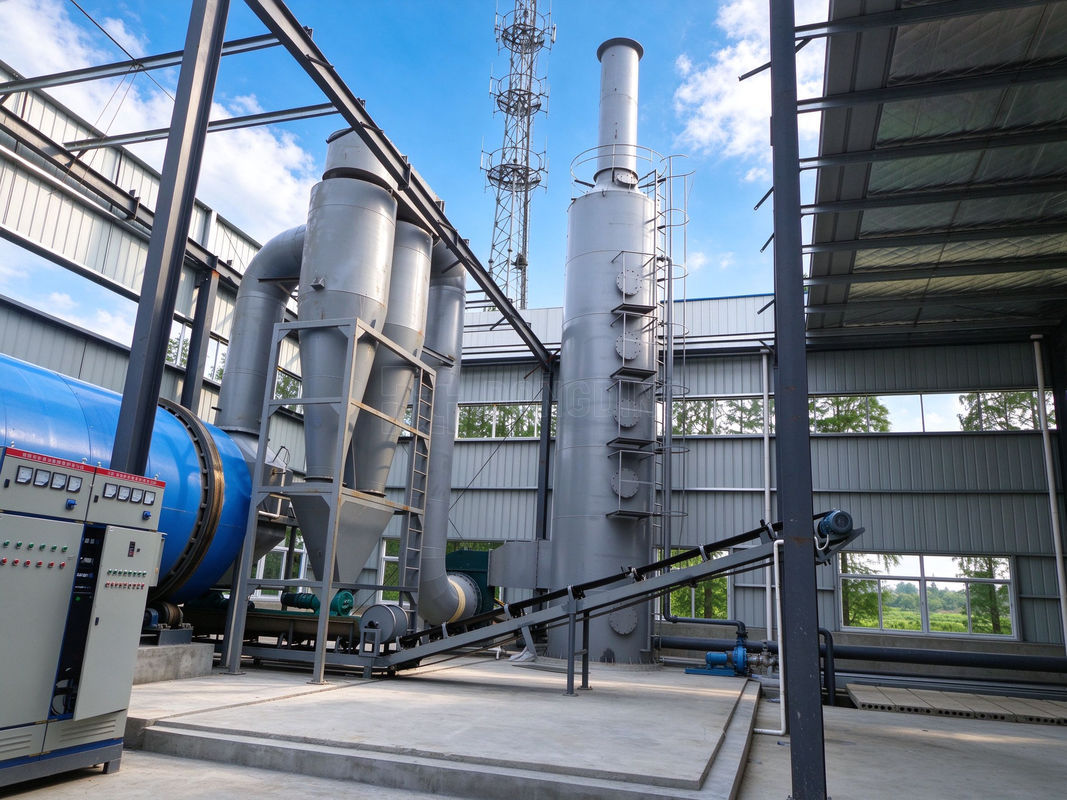
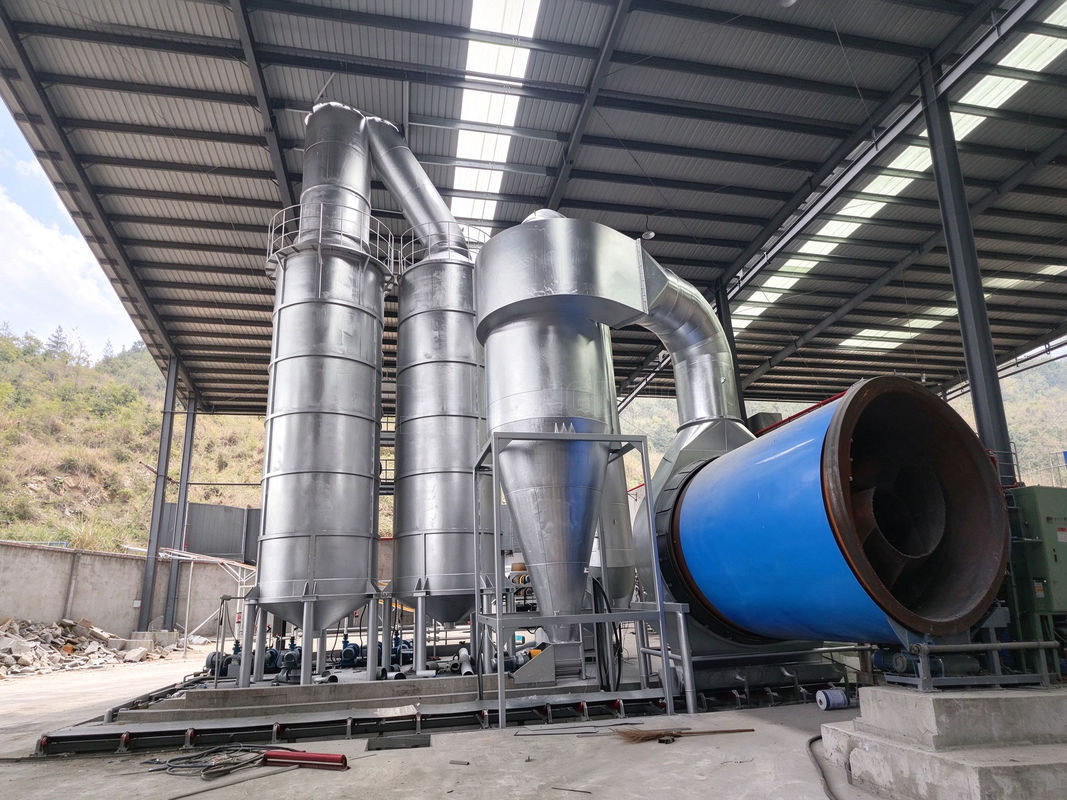
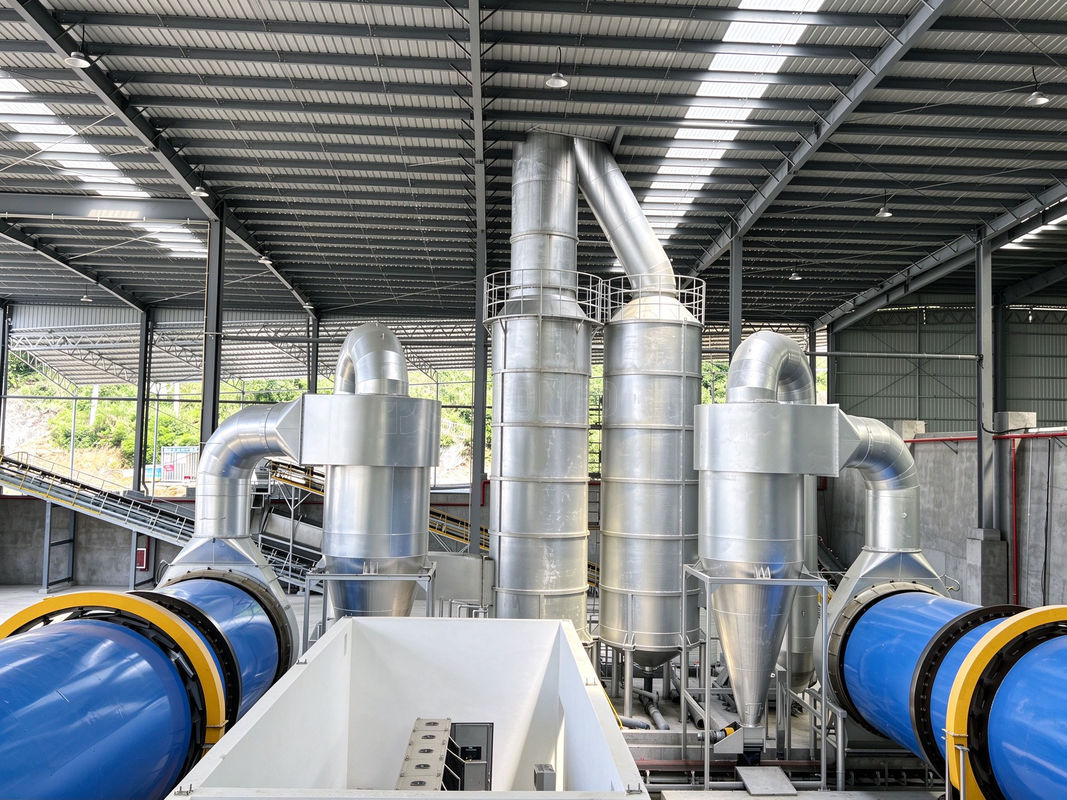
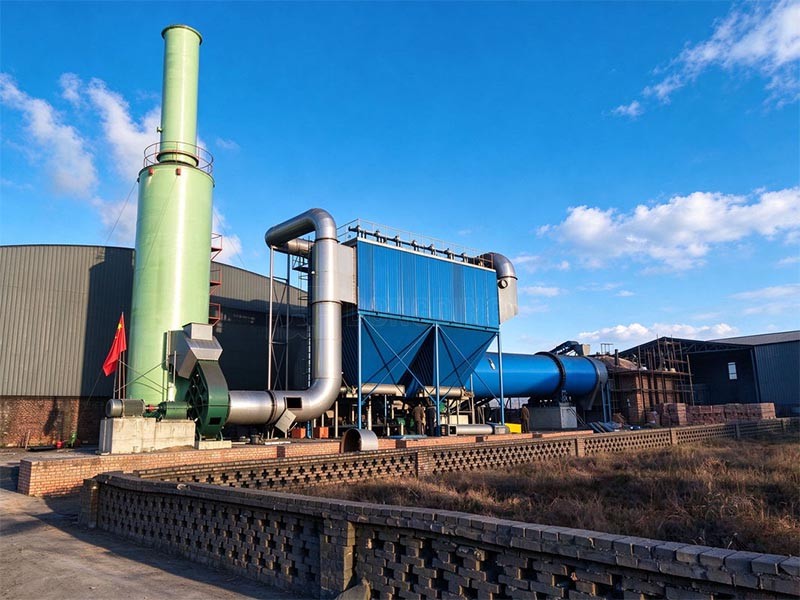
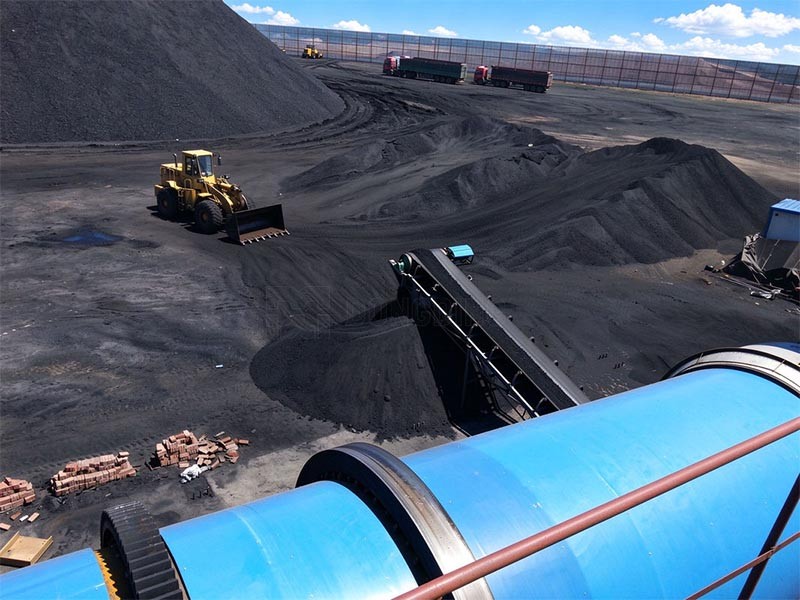 1,100 TPD Fly Ash Drying Project
Input moistureFrom 28% to 2%
Output moisture≤ 5%
LocationMongolia
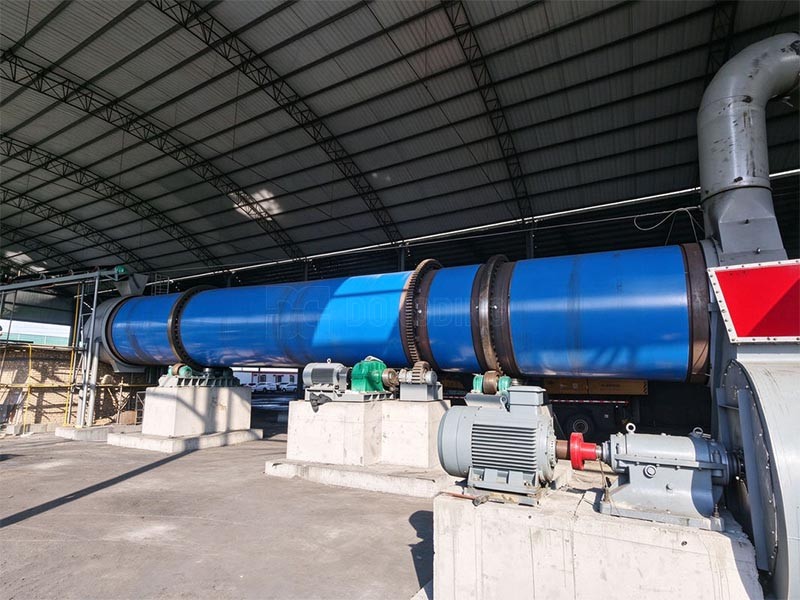
 500 TPD Coal Slime Dryer Project
Input moistureFrom 35% to 10%
Output moisture≤ 10%
LocationInner Mongolia, China
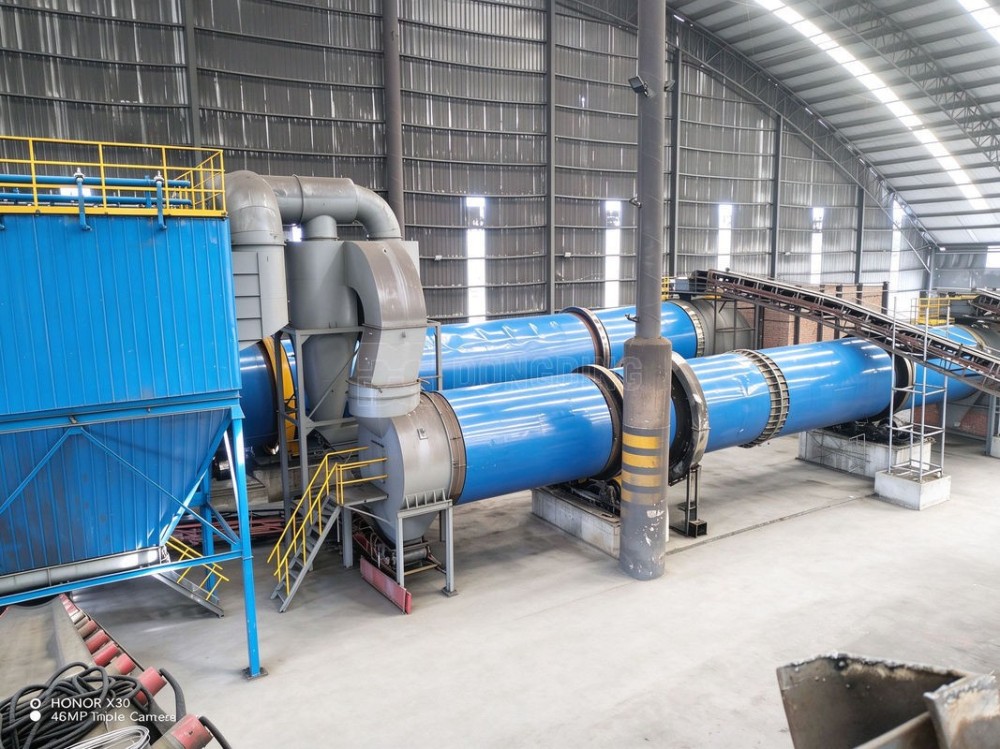
 300 TPD Sludge Drying Project
Input moistureFrom 80% to 15%
Output moisture≤ 15%
LocationVietnam
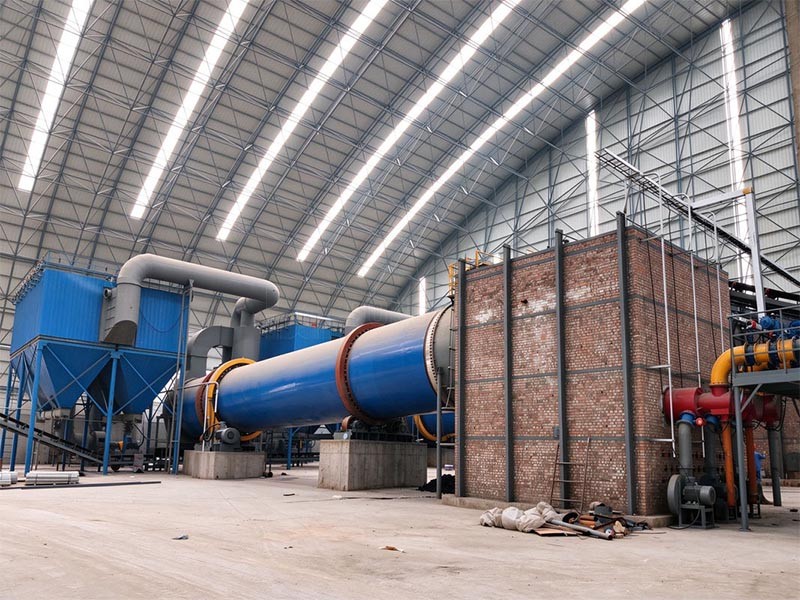
 600 TPD Coal Slime Drying Line
Input moistureFrom 40% to 10%
Output moisture≤ 10%
LocationShanxi, China
 300 TPD Bentonite Dryer Project
Input moistureFrom 25% to 8%
Output moisture≤ 8%
LocationIran
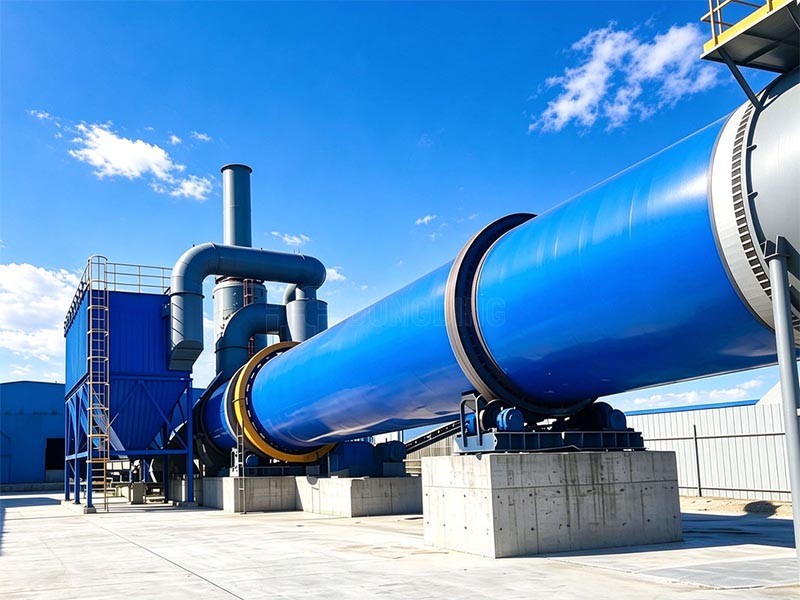 200 TPD Ore Powder Drying Project
Input moistureFrom 18% to 5%
Output moisture≤ 5%
LocationZambia
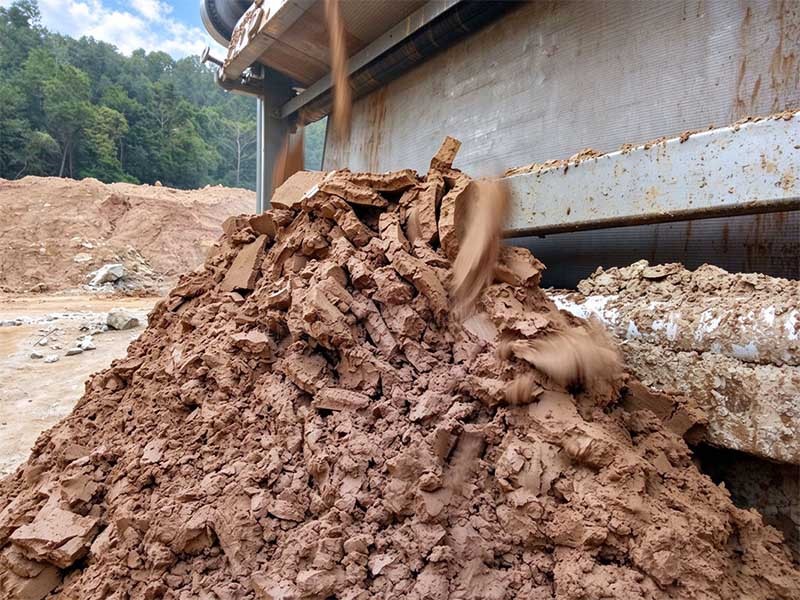 150 TPD Sludge Dewatering & Drying Project
Input moistureFrom 80% to 15
Output moisture≤ 15%
LocationJiangsu, China
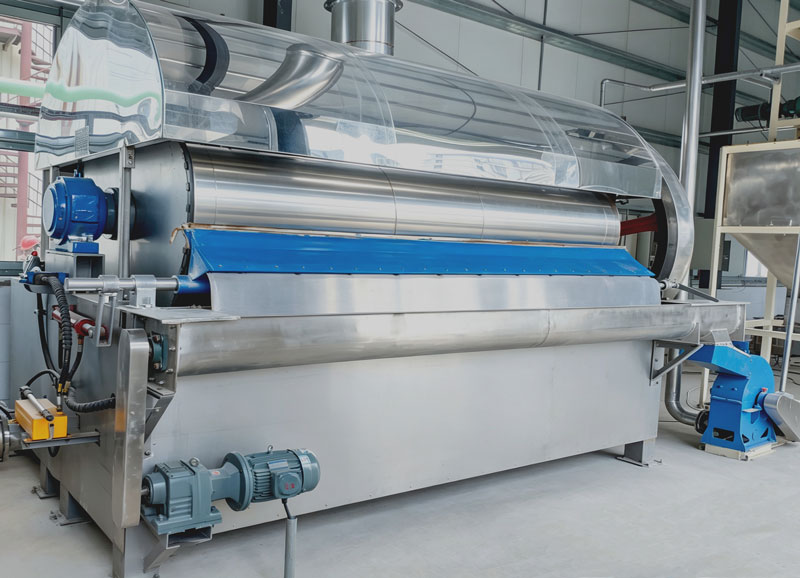 1.05 TPH Yeast Drum Drying Line
Input moistureFrom 85% to 12%
Output moisture≤ 12%
LocationThailand
With drying projects running across the globe, Dongding has earned long-term trust through reliable quality and responsive after-sales service.
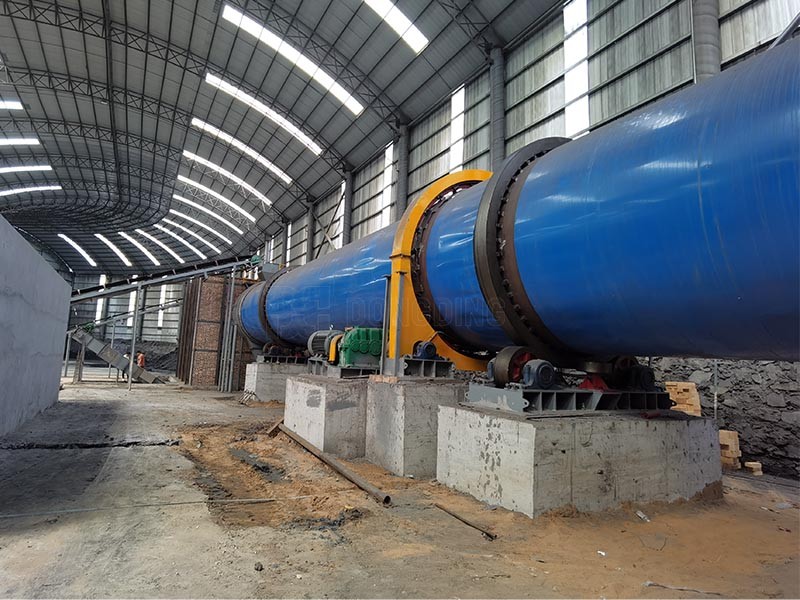
Common questions about our rotary dryers — pricing, customization, installation and after-sales.
All Dongding dryers come with a 12-month warranty covering parts and workmanship from the date of commissioning. Lifetime technical support and spare parts supply are provided.
Please share your raw material, initial and target moisture content, required capacity (t/h), available fuel or heat source, and your target market. With these details our engineers can recommend the right model and send an accurate quotation.

As a manufacturer, we accept orders starting from a single machine. We can also deliver complete drying production lines with auxiliary equipment such as hot air furnaces and dust collectors. Contact us for tailored pricing.
Standard models are usually delivered within 25-40 days after the deposit. Customized machines or larger production lines may take longer depending on the configuration. The exact schedule is confirmed in your contract.
Yes. Every dryer is engineered around your material, capacity, moisture and site layout. Heat source, material of construction, dust collection and automation level can all be customized to your process.
Yes. We provide installation guidance, commissioning, operator training and lifetime after-sales support. Our engineers can also travel to your site, and all equipment comes with a warranty.