


A:
All Dongding dryers come with a 12-month warranty covering parts and workmanship from the date of commissioning. Lifetime technical support and spare parts supply are provided.
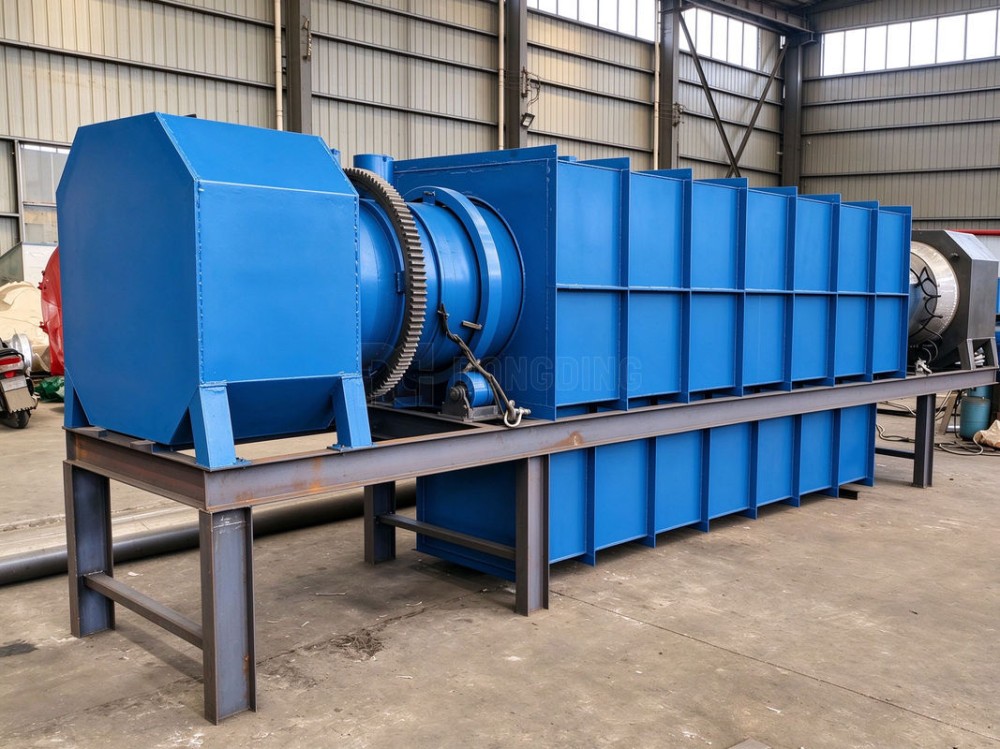
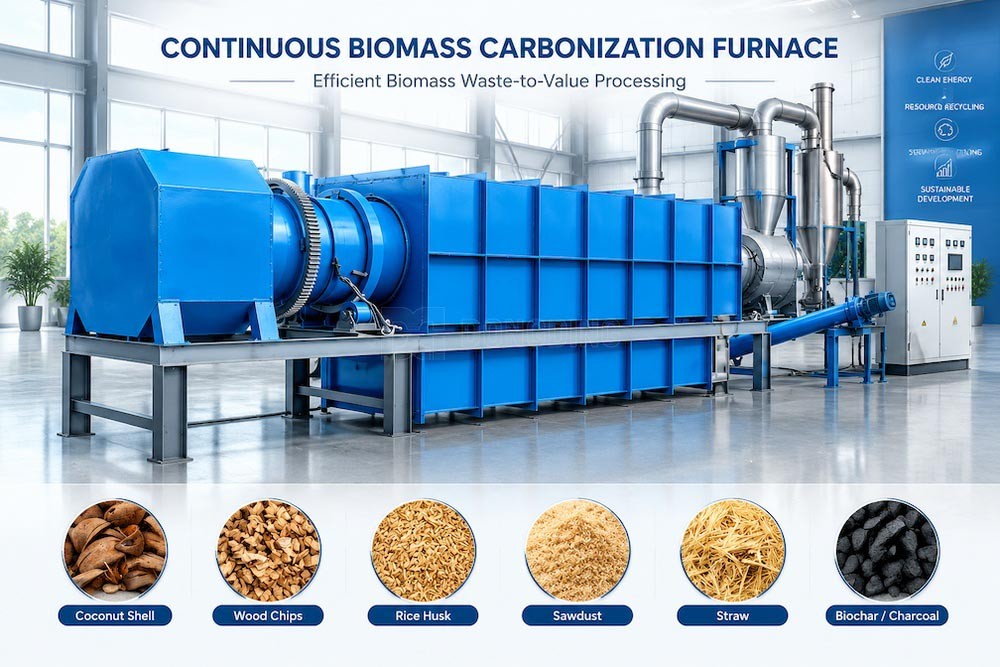
The biochar making Line uses biomass residues such as wood chips, sawdust, wood shavings, rice husks, corn cobs, peanut shells and other agricultural and forestry waste as raw materials. Through crushing, drying, high-pressure briquetting and high-temperature carbonization, the biomass is converted into high-quality charcoal briquettes.
Suitable for a wide range of biomass materials, including wood chips, sawdust, wood shavings, bamboo residues, fruit shells and other agricultural and forestry waste.
Equipped with industrial drying systems to effectively reduce feedstock moisture and provide suitable material conditions for briquetting and carbonization.
The dried biomass is efficiently compressed into uniform briquette sticks or blocks with consistent shape and density.
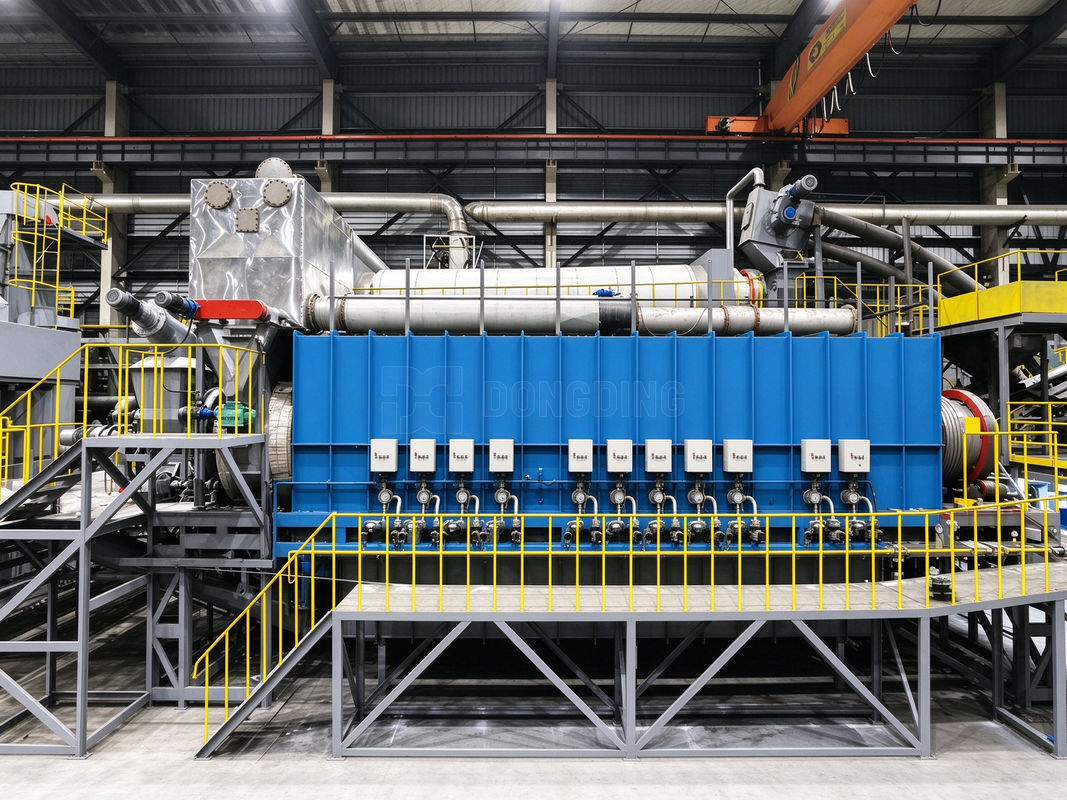
A continuous carbonization process converts formed biomass briquettes into charcoal efficiently and consistently.
The complete production line can be customized according to feedstock characteristics, processing capacity, production scale and finished product requirements.
From individual processing equipment to complete turnkey charcoal production lines, customized solutions can be provided for different production capacities and project requirements.
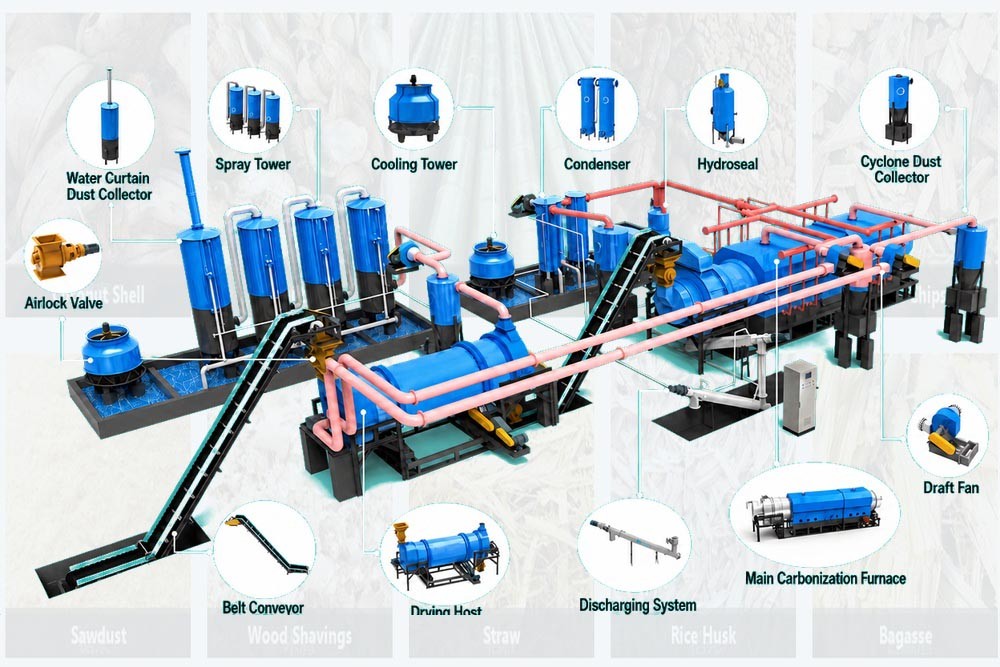
Raw materials need crushing to ≤5 mm, with screening to remove impurities. Drying: Moisture content must be ≤12%. Wet materials require drying before briquetting and carbonization. Carbonization: Dry feedstock goes into preheated carbonization furnaces for high-temperature pyrolysis, producing biochar and combustible gas. Cooling & Collection: Hot biochar is cooled before collection and storage. The generated gas can be recycled as fuel. Refining & Packaging: Biochar is refined to meet different uses and packaged as final products.
The whole continuous line uses PLC control for stable quality and high efficiency.
Notice:
1. Any change of technical data shall not be advised additionally.
2. Parameters above are for reference; final configuration is tailored to your material and capacity.
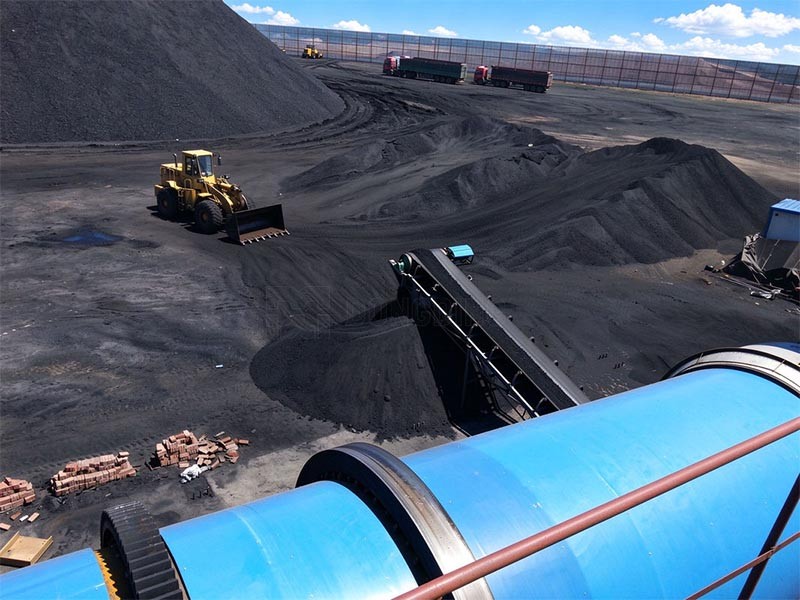 1,100 TPD Fly Ash Drying Project
Input moistureFrom 28% to 2%
Output moisture≤ 5%
LocationMongolia
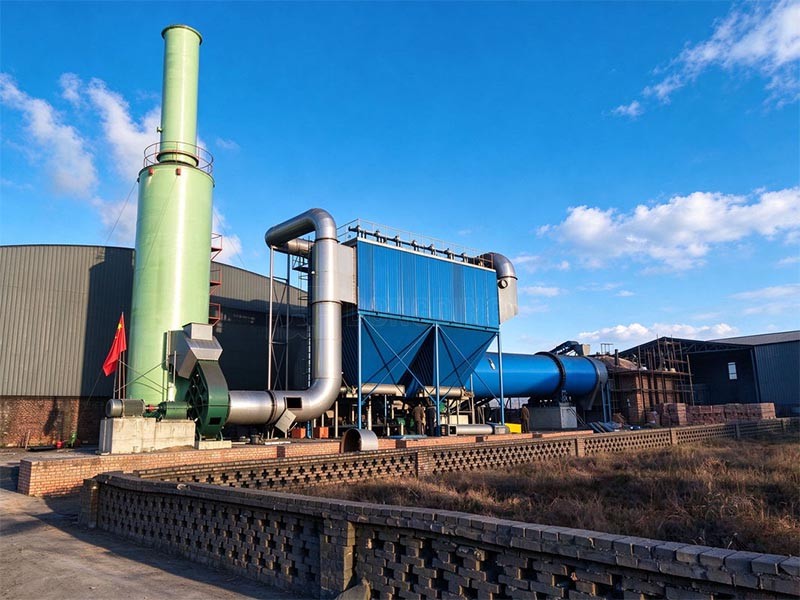 500 TPD Coal Slime Dryer Project
Input moistureFrom 35% to 10%
Output moisture≤ 10%
LocationInner Mongolia, China
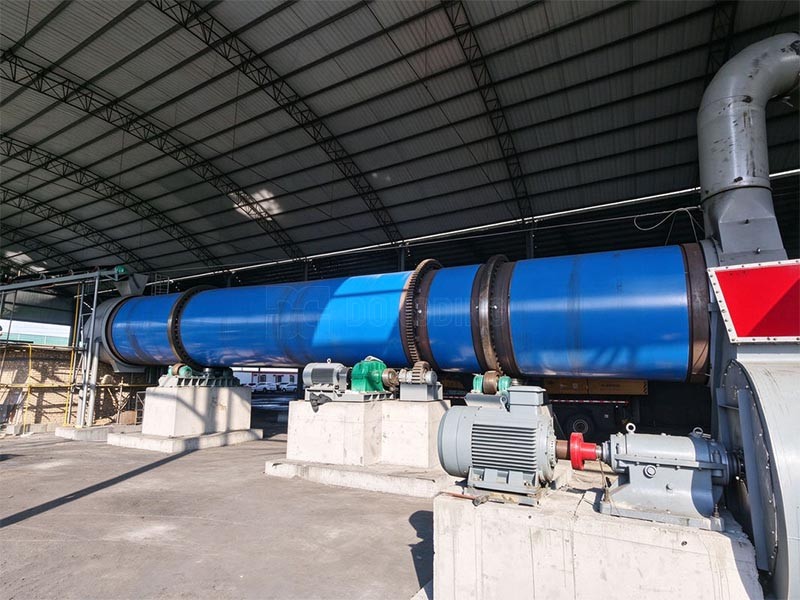 300 TPD Sludge Drying Project
Input moistureFrom 80% to 15%
Output moisture≤ 15%
LocationVietnam
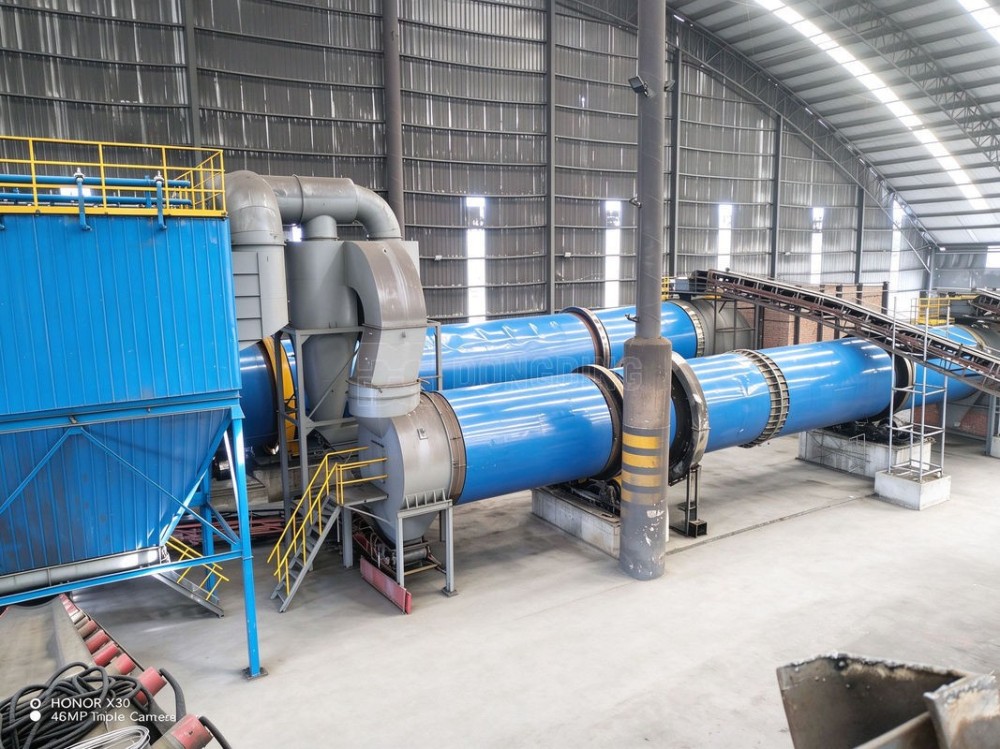 600 TPD Coal Slime Drying Line
Input moistureFrom 40% to 10%
Output moisture≤ 10%
LocationShanxi, China
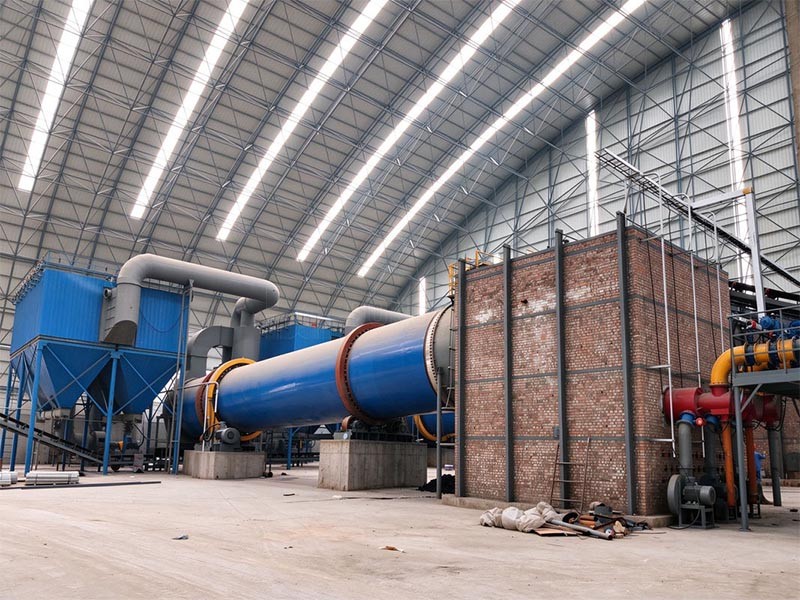 300 TPD Bentonite Dryer Project
Input moistureFrom 25% to 8%
Output moisture≤ 8%
LocationIran
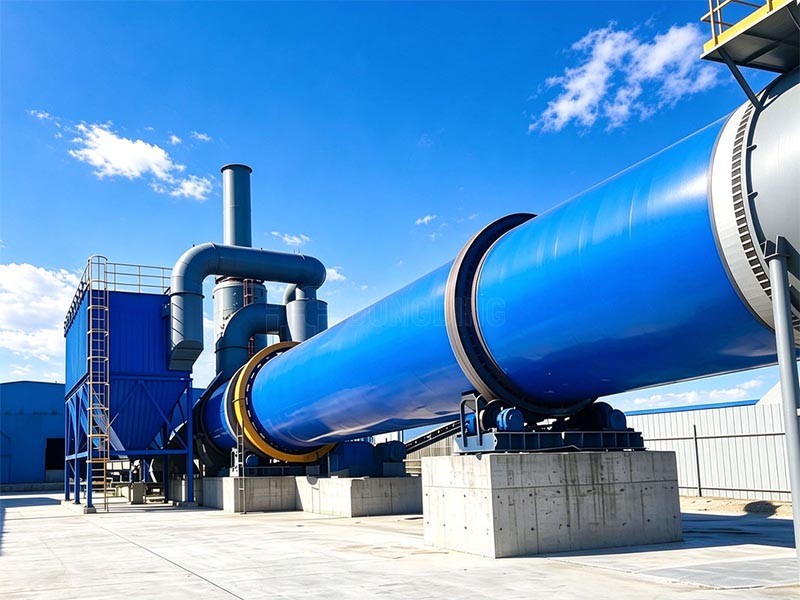 200 TPD Ore Powder Drying Project
Input moistureFrom 18% to 5%
Output moisture≤ 5%
LocationZambia
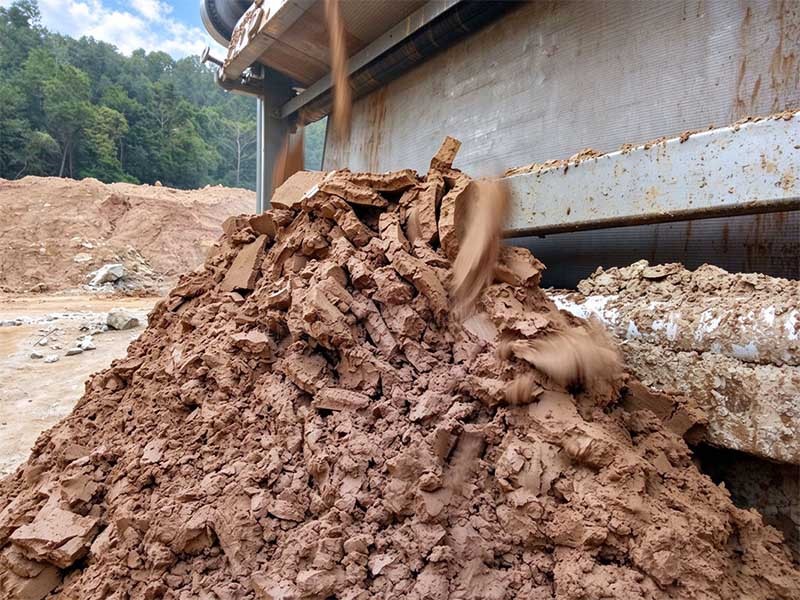 150 TPD Sludge Dewatering & Drying Project
Input moistureFrom 80% to 15
Output moisture≤ 15%
LocationJiangsu, China
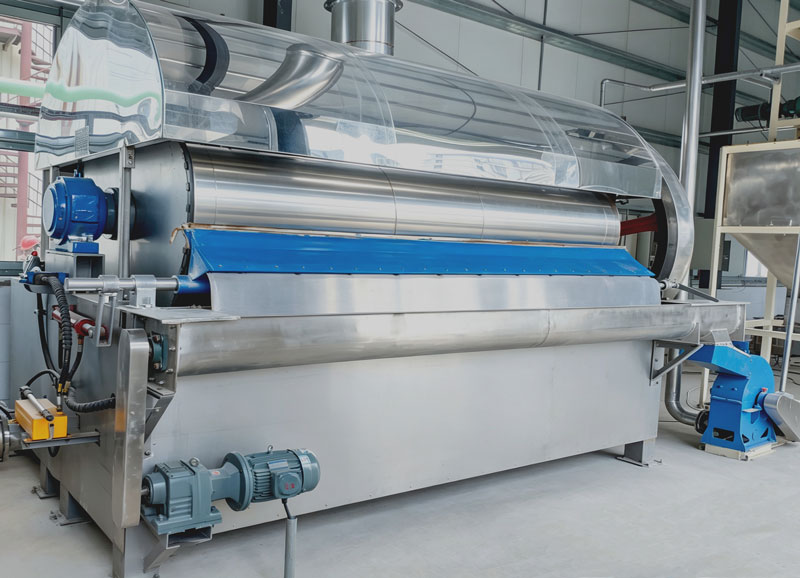 1.05 TPH Yeast Drum Drying Line
Input moistureFrom 85% to 12%
Output moisture≤ 12%
LocationThailand
With drying projects running across the globe, Dongding has earned long-term trust through reliable quality and responsive after-sales service.
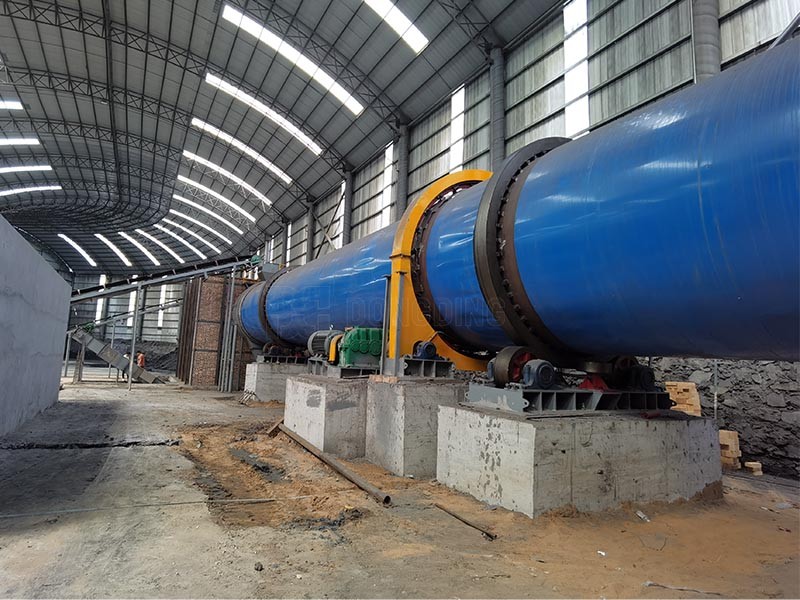
Common questions about our rotary dryers — pricing, customization, installation and after-sales.
All Dongding dryers come with a 12-month warranty covering parts and workmanship from the date of commissioning. Lifetime technical support and spare parts supply are provided.
Please share your raw material, initial and target moisture content, required capacity (t/h), available fuel or heat source, and your target market. With these details our engineers can recommend the right model and send an accurate quotation.

As a manufacturer, we accept orders starting from a single machine. We can also deliver complete drying production lines with auxiliary equipment such as hot air furnaces and dust collectors. Contact us for tailored pricing.
Standard models are usually delivered within 25-40 days after the deposit. Customized machines or larger production lines may take longer depending on the configuration. The exact schedule is confirmed in your contract.
Yes. Every dryer is engineered around your material, capacity, moisture and site layout. Heat source, material of construction, dust collection and automation level can all be customized to your process.
Yes. We provide installation guidance, commissioning, operator training and lifetime after-sales support. Our engineers can also travel to your site, and all equipment comes with a warranty.